Bruxism refers to the clenching of teeth. It can be habitual or due to a dental health condition. This condition affects 30-40 million children in the US.
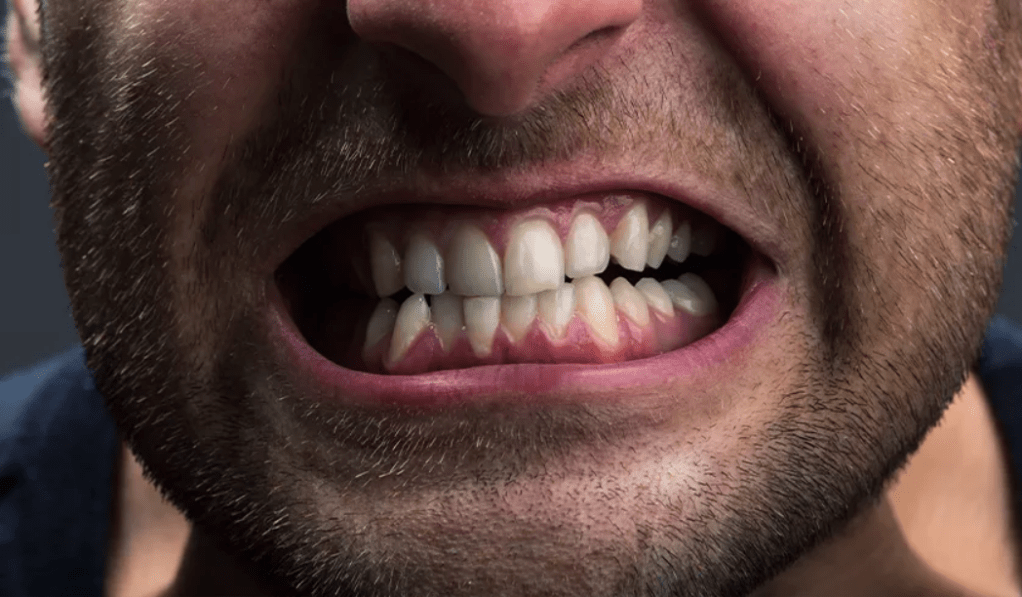
Symptoms
There are a few signs and symptoms that you have to keep in check if you want to know whether or not you are affected by this condition. Those conditions are the following.
- Contraction of muscles of your jaw
- A grinding sound when you sleep (the person sharing your room will tell you about it)
- Tightness or pain in jaw muscles
- Clicking or popping of the TMJs
- Facial pain that becomes long-lasting
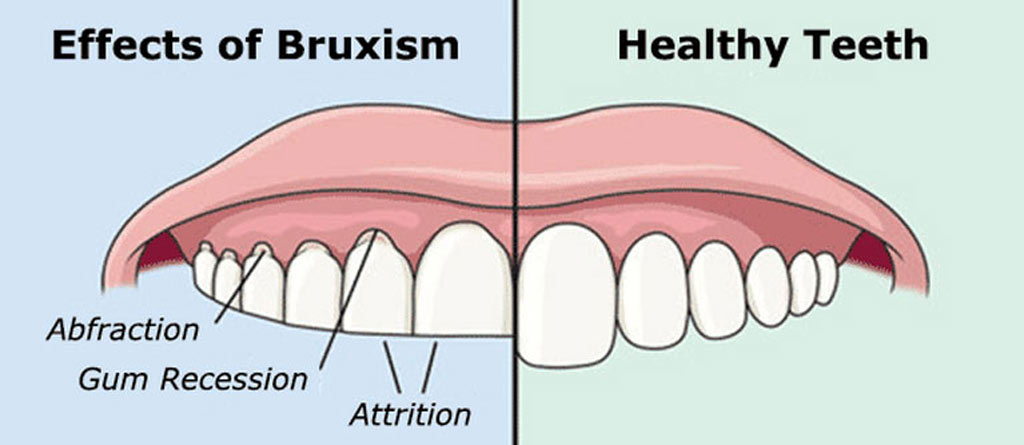
- Visible damage in the teeth or dental fillings, and injured gums
- Headache
- Swelling on the side of the jaw
Causes
Some experts consider bruxism a habit, while some term it a byproduct of some mental and physical health conditions. Some reasons for this condition may include the following.
- Anger, frustration, stress, and anxiety
- A teeth alignment issue referring to the teeth and jaws not lining up properly, also known as a malocclusion
- Rare diseases of muscles and nerves in the face
- Medications to treat depression or anxiety
- A complication of Parkinson’s disease or Huntington
Diagnosis
People who grind their teeth during sleep are usually not aware of this condition. This condition can lead to several dental health problems, including tooth wear and TMJ disorder. You will need to discuss with your dentist if you think that you have this disorder.
Prevention
If you remain under stress and, as a result, grind your teeth, you will need to consider therapies or relaxation techniques to address the root cause and its resultant impacts on your health and habits. You may also need to cut down on stimulants such as coffee and tobacco.
Treatment
You may want to use a professionally made night guard to prevent your upper and lower teeth from coming into contact with each other during sleep. Your dentist may consider dental treatments such as fillings or crowns to reverse the damage done due to bruxism.
People who grind their teeth in the daytime may benefit from biofeedback, which involves the use of special electronic equipment to measure muscle activity. This way, people can find a way to reduce this activity when the biting force becomes too intense. Moreover, people who grind their teeth at night may benefit from hypnosis.
Related conditions
People who grind their teeth usually end up breaking down their teeth and damaging dental fillings. Grinding teeth results in the outer layers of enamel wearing away, contributing to increased tooth sensitivity. Conditions caused by severe bruxism include the following.
- Dysfunction of jaws commonly referred to as TMJD
- Headache
- Facial pain
- Discomfort when biting, talking or eating
The good thing is that you can get these issues addressed during regular dental visits. A visit after every six months allows you to get rid of bruxism and a lot of other dental health problems during their earliest stages. Additionally, you can always contact your dentist if you feel that you have an underlying issue.
 The Bruxism Concept