According to a report by the Physical Medicine and Rehabilitation Clinics of North America, 21 to 30 percent of Americans suffer from myofascial pain. Myofascial pain refers to a sensation of discomfort in the muscle tissues in the upper and lower back and neck area. You can manage this pain by contacting your dentist and other health professionals. There are many treatment options available. One of them is the administration of trigger-point injections.
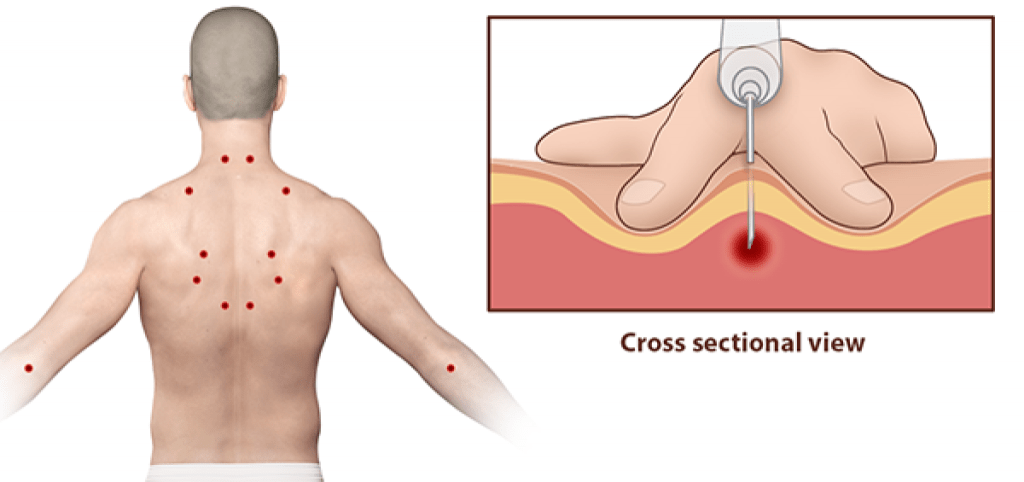
Things that result in trigger points
A trigger point refers to the tension or muscle spasm in the shoulder or back region. It can sometimes happen due to a nodule, which is a muscle knot. A nodule radiates pain when you touch it. A trigger point can also occur due to temporomandibular disorders (TMD), myofascial pain, or headache.
The pain can occur in the temporomandibular joint or its surrounding structure that includes muscles in the neck or facial area. A trigger point can accompany clicking or popping of jaw joint and facial pain during routine activities such as chewing, talking, and moving your lower jaw.
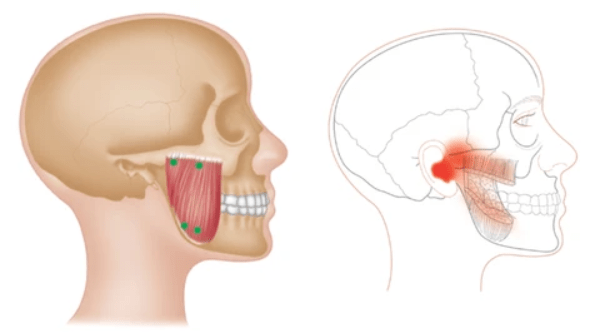
Pain relief with trigger point injections
You may get pain relief by having injections in the tender muscle areas. Your doctor can use medications, such as an anesthetic or corticosteroid, or just dry needles without any medication to treat the trigger points. The insertion of needles aims at relieving the tension between muscles, thus treating the trigger point. One injection session may be enough to treat trigger points. Patients with chronic disorders may, however, need to have regular sessions to treat the problem.
There are generally no side effects of having these injections as a means to treat trigger points. Some patients, however, experience mild pain at the site of injection. This pain subsides on its own within a few days, but you can consider applying ice or using over-the-counter pain relievers to have quick relief.
Who can administer these injections?
Due to the complexity involved in facial pain and TMD, there is no single dental specialty that can be designated as the sole resolver of these issues. Generally, you will want to contact a dentist who has had training in pain management. Alternatively, you can consider going to a medical expert who specializes in pain management. Trigger point injections are not painful when administered by a medical expert who has vast experience in managing pains.

Other ways to manage TMD pain
In most cases, medical experts do not suggest anything other than conservative methods to manage TMD pains. Eating a soft diet and exercising are the safest and, sometimes, most effective methods to treat TMD and facial pains. Your dentist or health physician may also recommend physical therapy or the use of an appliance to reposition your jaw.
Your doctor might also recommend botulinum toxin (botox) injections to treat such pains. Botox injections are generally known for their application during cosmetic facial procedures, but a study suggests that they might also be effective when it comes to treating TMD and facial pains.
You may want to discuss all of these options with your dentist or health physician before deciding what you need to choose.
 The Bruxism Concept